Comprehensive Garage Door Spring Maintenance Guide | Go Garage Door Repair

Essential Garage Door Spring Maintenance Guide
Your garage door springs play a vital role in the operation of your garage door. They bear the weight of the door, help it open and close smoothly, and ensure safety for you and your family. In Norfolk, CT, where we experience various weather conditions, maintaining these springs is critical. This guide will walk you through everything you need to know about garage door spring maintenance, providing practical tips that can save you time and money.
Understanding Garage Door Springs
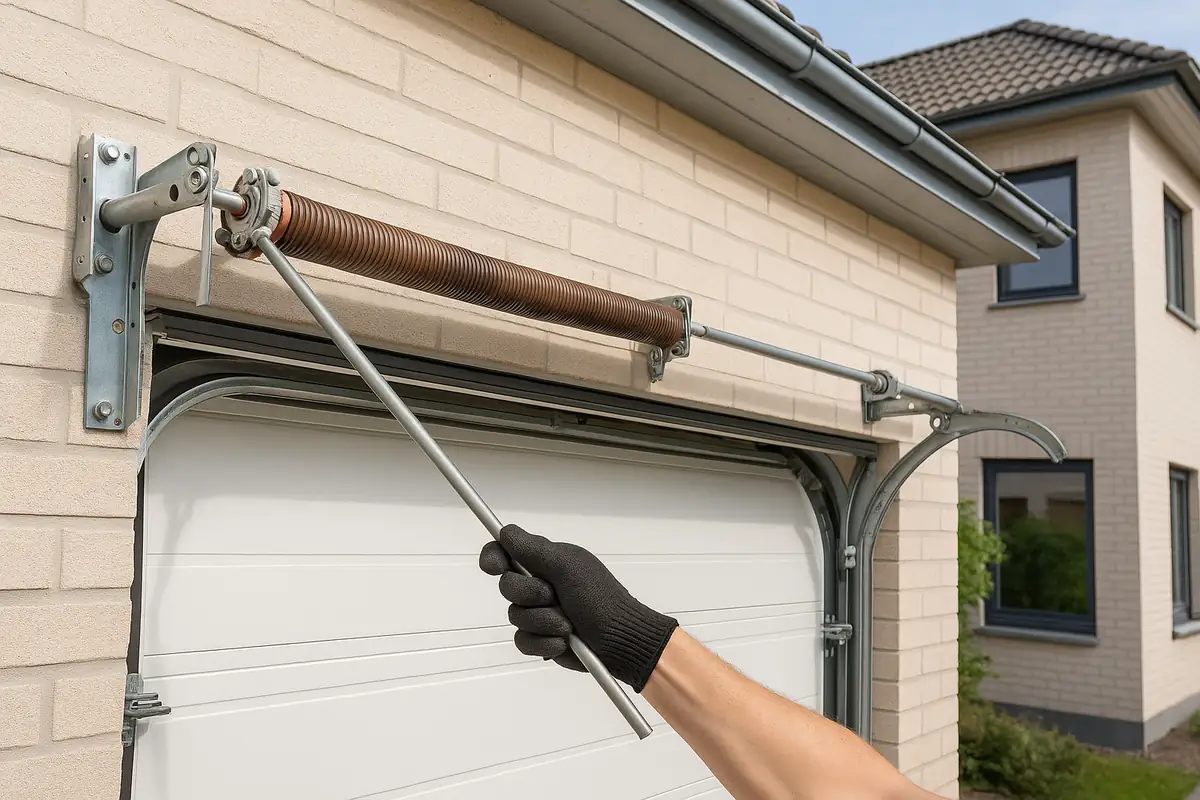
Before diving into maintenance tips, it’s essential to understand the different types of garage door springs:
- Torsion Springs: These are mounted above the door and are tightly wound. They provide the lifting power needed to raise the heavy door.
- Extension Springs: Located on either side of the door, these springs stretch and contract to lift the door.
How Garage Door Springs Work
When you press the remote or the wall switch, the opener activates the springs, allowing the door to move. Torsion springs work by storing rotational energy, while extension springs work by stretching and contracting. Proper maintenance ensures that these springs function optimally, reducing the risk of unexpected failures.
Why Regular Spring Maintenance Matters
Regular garage door spring maintenance offers several benefits:
- Increased Lifespan: A well-maintained spring system can last up to 10,000 cycles, translating to many years of reliable service.
- Safety: Faulty springs can pose serious safety risks, leading to accidents or injuries.
- Cost Savings: Preventative maintenance can reduce the need for costly repairs or premature replacements.
Statistics to Consider
According to the International Door Association, roughly 50% of garage doors need a repair annually. Regular maintenance can significantly decrease this percentage, ensuring smooth and safe operation.
When to Perform Maintenance
Garage door spring maintenance should be performed at least twice a year, ideally in the spring and fall. However, here are key indicators that it’s time to check your springs:
- Unusual noises when operating the door.
- Visible wear or rust on the springs.
- The door does not open or close smoothly.
- Any signs of the door being unbalanced.
DIY Maintenance Tips for Homeowners
Performing maintenance on your garage door springs can be a straightforward task. Here are practical tips to keep your springs in top condition:
1. Inspect Springs Regularly
Check your springs for signs of wear, rust, or damage. Look for:
- Cracks or breaks in the coils.
- Rust that may indicate corrosion.
- Misalignment or imbalance of the springs.
2. Lubricate Springs
Applying a silicone-based lubricant to your garage door springs can help:
- Reduce friction.
- Prevent wear and tear.
- Silence squeaking noises.
3. Test the Balance
To check if your garage door is balanced:
- Disconnect the opener by pulling the release cord.
- Manually lift the door halfway and release it.
- If it stays in place, it’s balanced; if it doesn’t, there may be a spring issue.
Signs That Indicate Professional Help is Needed
While DIY maintenance is essential, some situations require professional assistance. Watch for these signs:
- Visible damage: If your springs are broken or have significant wear, replacing them immediately is crucial.
- Door falls quickly: This is a sign that the springs are not holding the door's weight properly and can lead to dangerous situations.
- Repeated issues: If you find yourself regularly fixing the same issues, it may be time to call in the experts.
Conclusion: Trust Go Garage Door Repair for Your Maintenance Needs
Regular garage door spring maintenance is essential for safety and longevity. By following the tips outlined in this guide, you can ensure that your garage door operates smoothly and efficiently. If you notice any signs that your springs need professional attention, don’t hesitate to contact Go Garage Door Repair. Our expert technicians in Norfolk, CT are here to help you with all your garage door needs, ensuring peace of mind for you and your family.
Explore More Resources
Related Articles
Service Areas
We proudly serve Norfolk, West Norfolk, Grantville, Turkey Cobble, Mill Brook and more areas.
Our Services
Professional garage door repair, spring repair, opener installation and more. View all services →